Machu Picchu Has a Bigger Sister City and Almost Nobody Goes There: Your 2026 Choquequirao Trek Guide
Here is the honest problem with Machu Picchu in 2026. You can love it, you can plan for it for years, and you can still end up shuffling through it in a timed crowd, trying to take a photo without ten strangers in the frame. It is magnificent, and it is also managed to the minute. Choquequirao is the answer for travelers who want the other version of that story, the one where you earn the ruins with your legs and then get them almost to yourself.
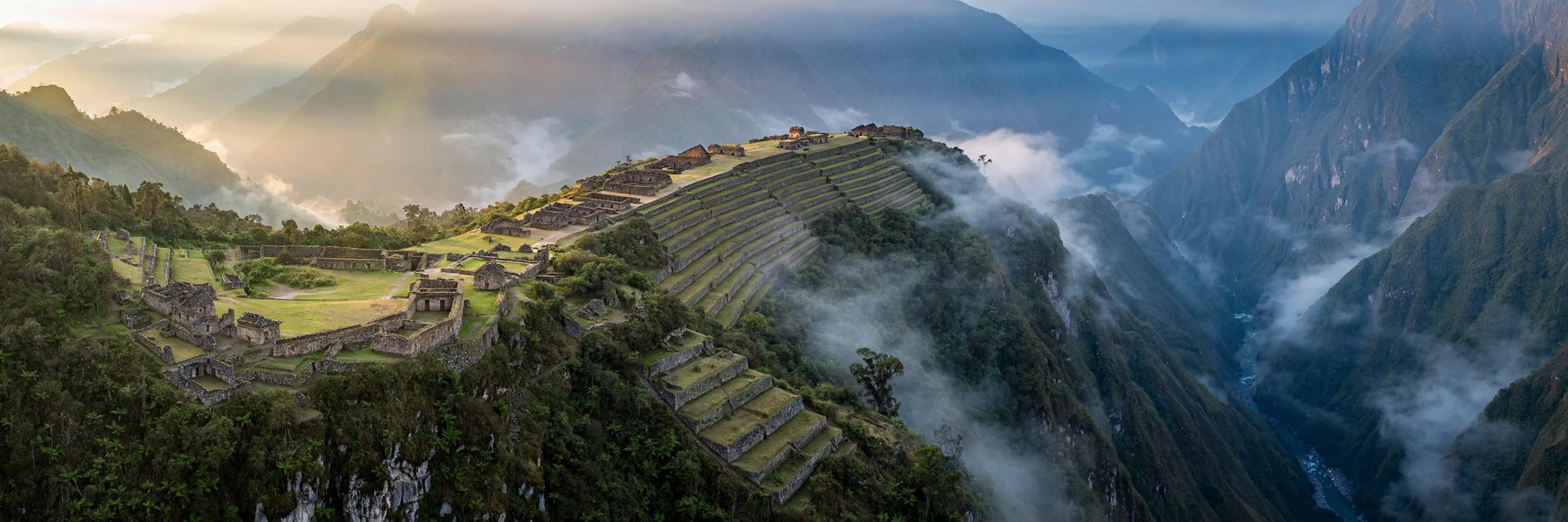
Choquequirao sits in the Cusco region of Peru, high above the Apurimac River canyon, at about 3,050 metres. Its Quechua name means Cradle of Gold. It is often called the sister city of Machu Picchu because the stonework, terraces, plazas and mountain setting feel familiar, yet the experience could not be more different. There is no train. There is no bus to the gate. There is no cable car operating in 2026, despite what some old articles still imply. You walk in, and you walk out, and that single fact keeps the crowds away.
Choquequirao spreads across a ridge above the Apurimac canyon, far from any road or railway.
Why Choquequirao feels bigger, quieter and stranger than Machu Picchu
The site covers about 1,800 hectares, and only around 30 to 40 percent of it has been excavated. Read that again and let it sink in. Most of what you are looking at is still under vegetation, still being studied, still partly a mystery. Machu Picchu feels finished and polished by comparison. Choquequirao feels alive, unfinished in the best possible way, like a place you caught mid sentence.
It was built in the Inca period and later became one of the last strongholds of Inca resistance after the Spanish conquest, linked to the Vilcabamba region. That history matters when you stand there. You are not just looking at pretty walls. You are standing in a place that was chosen because it was hard to reach, hard to attack and easy to defend. The mountains were not a backdrop for the Incas. They were the point.
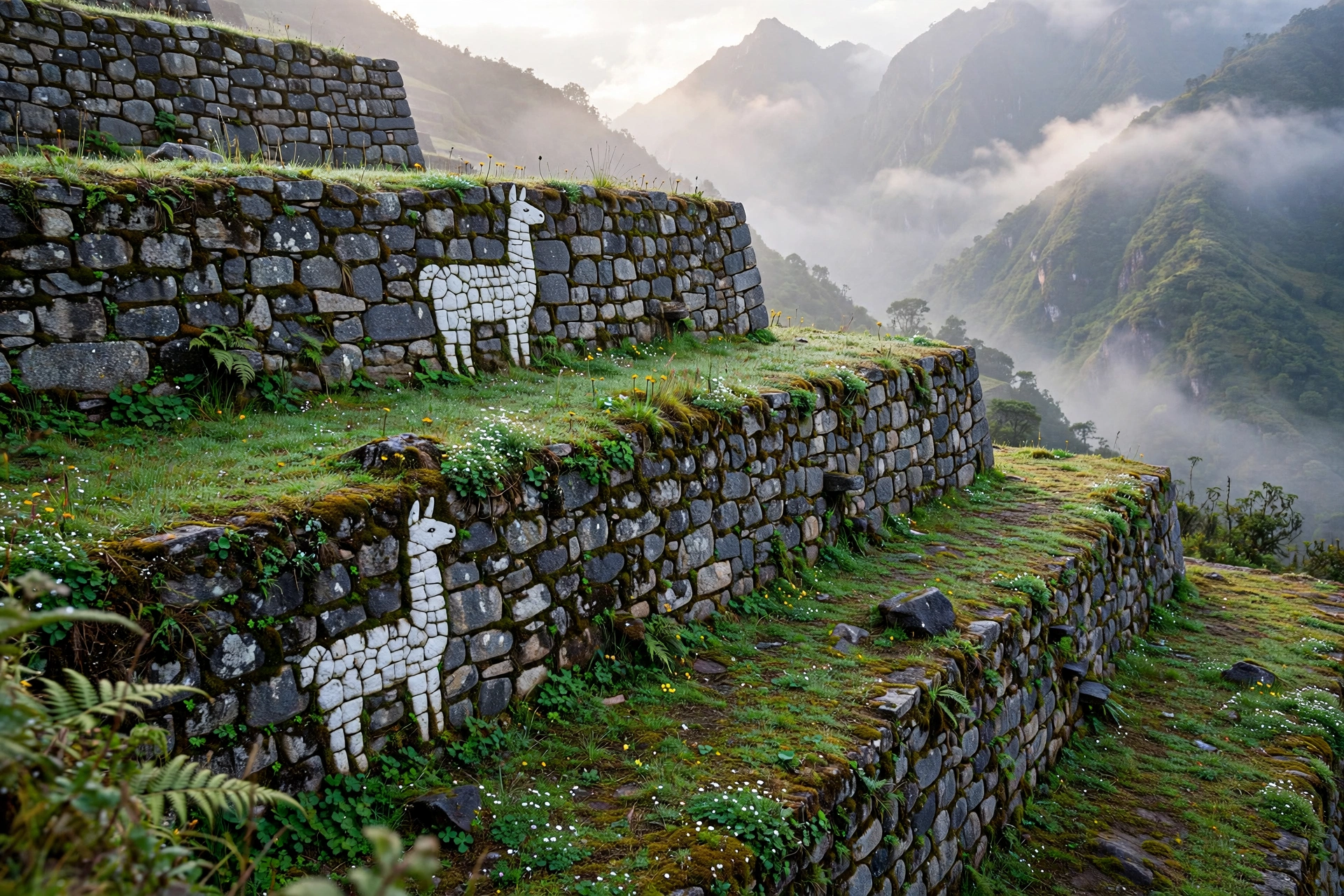
The most famous detail is also the most delightful. On one set of terraces, white stones are set into the walls to form llamas. Nobody needs a guidebook to enjoy that. You walk along, you see the shapes, and you grin. It is proof that even a serious ceremonial and administrative center had room for art, humor and pride in the animals that carried everything up these mountains.
The problem this trek actually solves
Plenty of travelers come back from Machu Picchu saying the same thing. The ruins were incredible, the logistics were stressful. Tickets, trains, buses, timed entries, guides herding groups through narrow paths. It is a system built for huge numbers, and it shows.
Choquequirao solves that problem in the most old fashioned way possible. It removes the system. There is no Inca Trail style permit race here. You need an entrance ticket, which recent guides put at roughly 60 soles, or about 16 to 18 US dollars, and you need a plan for food, water, camping and the return climb. What you do not need is to book months ahead and hope for a slot. The tradeoff is physical. You trade convenience for quiet, and for many hikers that is exactly the right trade.
That does not mean it is for everyone, and pretending otherwise would be dishonest. If you want an easy day trip, this is not it. If you want to feel like an explorer for four days, it absolutely is.
The classic trek, day by day
Most hikers need four days and three nights for the round trip from Cachora, covering roughly 60 to 64 kilometres in total. A five day version gives you more breathing room at the ruins and on the climbs. Fit trekkers can do a faster three day version, but that version is brutal, and I would not recommend it as a first Andean trek.
Day one starts with a drive from Cusco to Capuliyoc, near Cachora, then a long descent into the Apurimac canyon. This is where your knees first learn what the trek is about. You drop from around 2,900 metres down to about 1,500 metres at Playa Rosalina, near the river. It is hot down there, dusty, and strangely beautiful. Camp at Chiquisca or Santa Rosa, eat well, and sleep early.
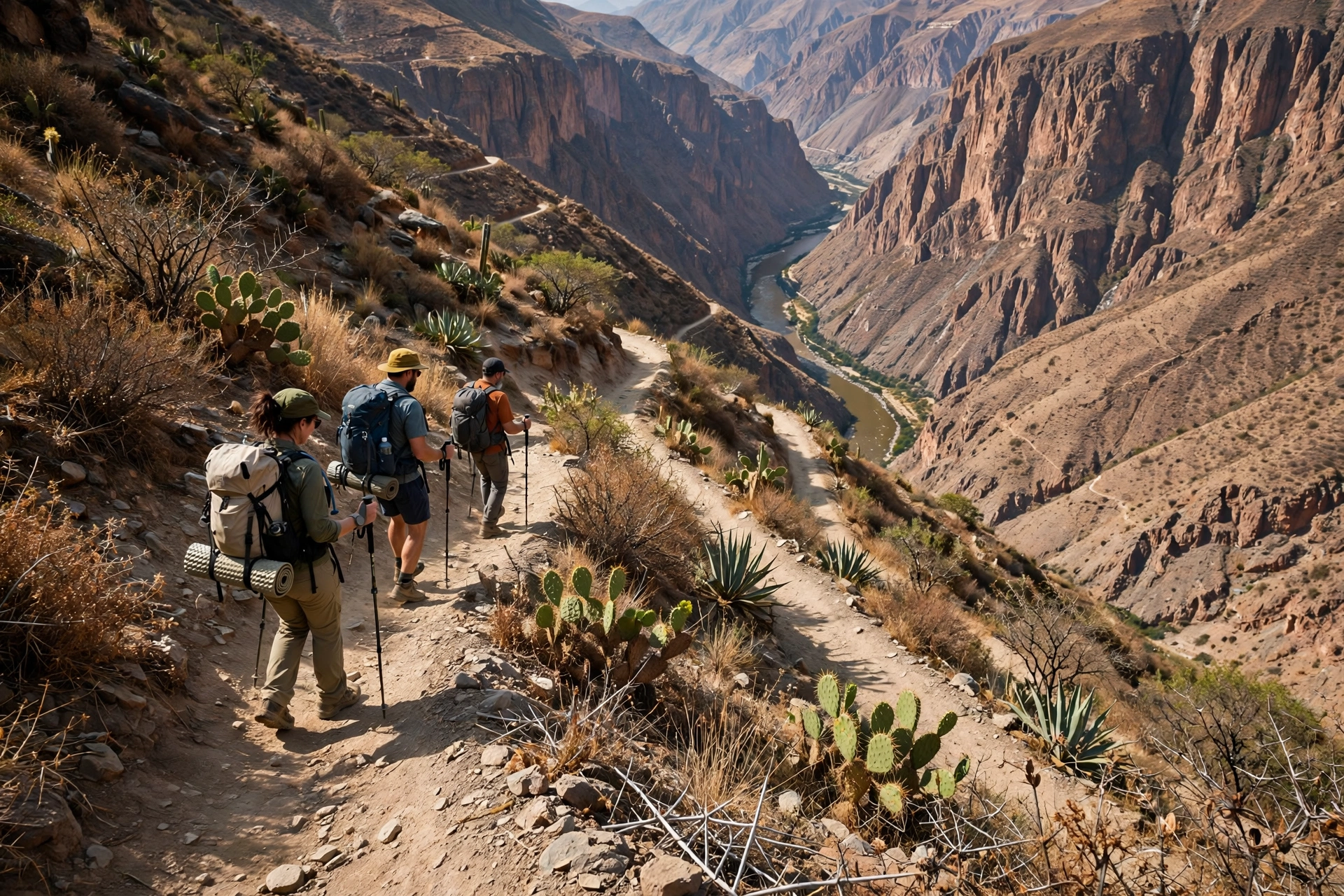
Day two is the climb that defines the trip. You go up from the river, through Santa Rosa Alta, to Marampata, a small settlement at about 2,900 metres, and then on to the ruins themselves. The total climb is roughly 1,500 metres, and it feels like every metre of it. Take it slow, drink constantly, and stop for the views. When the terraces finally appear through the trees, you will understand why people keep using the word magical even though they promised themselves they would not.
Day three, or the middle day on a five day trip, is for exploring. Walk the main plaza, the temples, the residential areas and the llama terraces. Find a quiet corner and just sit. This is the part most rushed itineraries ruin. Choquequirao rewards slow looking. The site is spread out, the light changes fast in the mountains, and the best moments come when you stop trying to see everything at once.
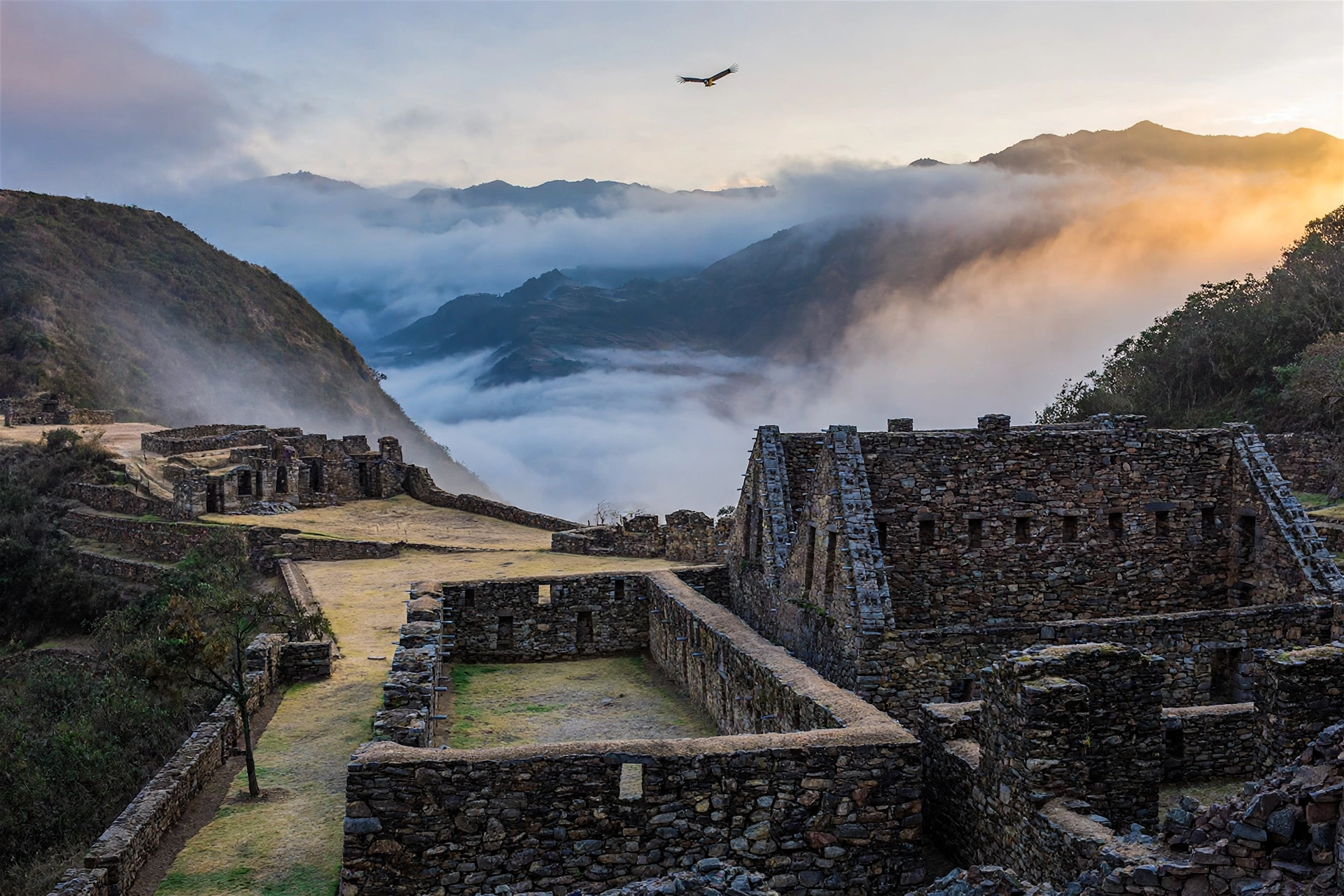
The return reverses the whole thing. You climb out of the canyon in reverse, which means another huge descent and ascent, and you finish back at Capuliyoc tired, dusty and oddly proud. Expect six to eight hours of walking on the hardest days. Trekking poles are not optional in my view. They save your knees on the descent and your balance on the loose sections.
What it costs in 2026
Costs vary a lot by style, so here is a realistic range, not a fantasy budget. Guided four day treks from Cusco typically run about 300 to 450 US dollars per person in group tours that include meals, tents and mule support, while private or higher comfort versions can run 560 to 950 dollars or more. One operator lists a three day classic from 333 dollars for a large group. An eight day Choquequirao to Machu Picchu trek is listed at about 1,200 dollars per person.
Independent hikers pay far less in fees but far more in effort. Camping fees at sites like Chiquisca, Santa Rosa and Marampata are roughly 3 to 6 dollars per night in recent guides. Add transport from Cusco, food, water, gear rental and the entrance ticket, and a careful independent trip can still stay well under a guided price. What you cannot buy your way out of is the fitness requirement. Mules can carry your big bag, but they cannot carry you up the canyon wall.
How fit do you really need to be
Be blunt with yourself before you book. Have you done a multi day hike before, with big climbs, in heat, at altitude? If yes, Choquequirao is hard but doable. If your longest recent walk is a city park loop, this trek will punish you, and the return climb is where that punishment arrives.
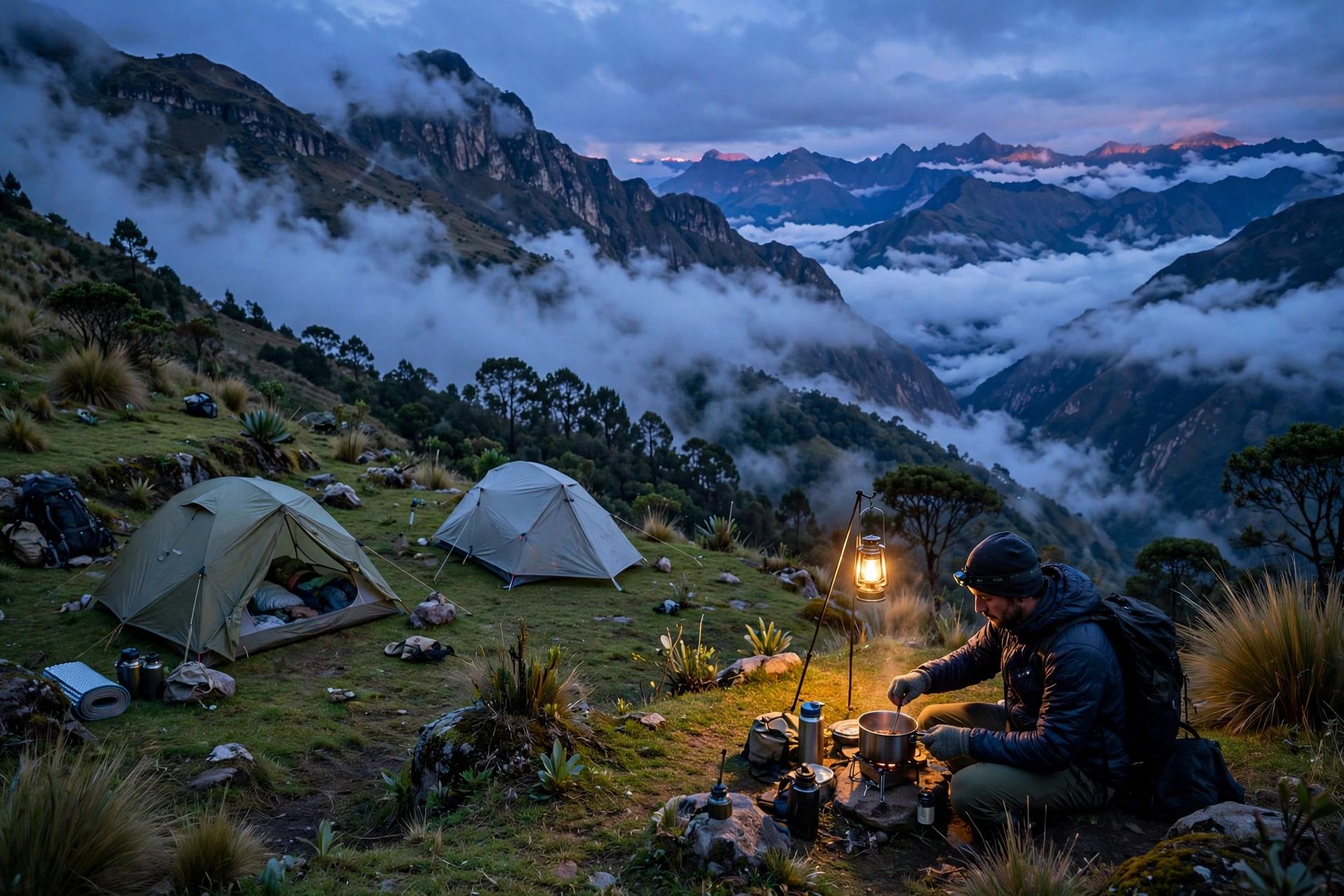
Spend at least a day or two in Cusco first to acclimatize. Walk the city, drink water, sleep, and do not try to prove anything on day one. Train with a loaded pack on hills if you can. Practice descending as well as climbing, because the descent wrecks more knees than the ascent wrecks lungs. And tell someone your plan. There is little or no cell signal for much of the route, so a first aid kit, a headlamp and a realistic itinerary are not extras. They are the plan.
When to go, and the cable car warning
The best window is April to November, the dry season, with May to September the most reliable months. From November to April the wet season can make river crossings dangerous and paths slippery, and some sections can erode badly. If you are choosing dates, choose dry season and give yourself a buffer day in Cusco at the start.
Now the warning, because it could ruin a trip if you get it wrong. There is no operating tourist cable car to Choquequirao in 2026. A cable transport project has been promoted for years, and project work continued in 2026, but it is not a service you can ride today. If a website or video tells you to just take the cable car, check its date and ignore that part. Plan for trekking access, full stop. The upside is real. As long as access stays this hard, Choquequirao stays this quiet. Go now, while the hard way in is still the only way in.
What to pack, in plain language
Pack for two climates in one day. The canyon floor is hot, the ruins at night are cold, sometimes close to freezing. Layers beat one heavy jacket. Bring sun protection, a hat, at least two litres of water capacity plus purification or extra supply, snacks you actually like, blister care, and cash for camps and small purchases. A guide is not mandatory on the standard Cachora route, but for a first visit a licensed local guide is worth it for pacing, history, water stops and emergency decisions.
Respect the site rules too. Do not climb walls, do not camp inside the archaeological area, and do not fly a drone without permission. Visiting hours are listed as 7 a.m. to 4 p.m. for the park, which is another reason to camp outside the site and enter in the morning rather than trying to rush the whole approach in one day.
Should you combine it with Machu Picchu
Yes, if you have the time and the legs. An eight or nine day Choquequirao to Machu Picchu trek links the two great Inca sites through the Vilcabamba mountains, high passes and remote villages, ending at the famous citadel. It is a very different story from taking the train to Machu Picchu alone. You arrive having walked through the landscape that connects them, and Machu Picchu feels less like a postcard and more like the end of a journey.
If time is short, do Choquequirao alone and save Machu Picchu for another trip. Do not try to cram both into a rushed week and enjoy neither. The mountains reward patience here, and they punish hurry in a very literal, knee related way.
If you love the kind of adventure where the journey is the souvenir, you will also enjoy our guides to the plank walk on Mount Huashan in China (https://thecavee.com/mount-huashan-plank-walk-worlds-scariest-hike-2026/), the Ha Giang Loop motorbike route in Vietnam (https://thecavee.com/ha-giang-loop-vietnam-ultimate-guide-2026/), and the new adventure coast of Saudi Arabia’s Red Sea (https://thecavee.com/saudi-arabia-red-sea-adventure-guide-2026/). They share the same idea. The best places are rarely the easiest to reach.
The bottom line
Choquequirao is not a secret anymore, exactly. Travelers who read trekking blogs know its name. But in practice, with only a handful of visitors on an average day compared with thousands at Machu Picchu, it still feels secret. That gap will not last forever, especially if the cable car project ever moves from planning to construction. For now, the price of admission is sweat, patience and four days of your life. The reward is an Inca city bigger than Machu Picchu, mostly unexcavated, with llama terraces, empty plazas and a sunrise you did not have to queue for.
That is a trade worth making. Just train for the canyon, go in dry season, and go while getting there still means walking. Pin this guide for your Peru planning, and read the full story on thecavee.com before you book, because the details on route, costs and fitness here are the difference between a great trek and a miserable one.
Sources for route, costs and access in this guide include Wikipedia’s Choquequirao overview (https://en.wikipedia.org/wiki/Choquequirao) and the 2026 Choquequirao trek guide at Take Your Backpack (https://www.takeyourbackpack.com/backpacking-in-peru/hike-choquequirao-trek/). Always confirm current ticket prices and trail conditions with a local operator before you travel, as mountain conditions change.